Ganja La Pass Trekking

Ganja La Pass Trekking

13 Days Hard

Overview

Ganja La – The High Pass Langtang Trek

The Ganja La High Pass Trek is a challenging Himalayan adventure that combines the natural beauty and cultural richness of Langtang Valley with the excitement of crossing one of Nepal’s demanding high mountain passes. Located north of Kathmandu, close to the Tibetan border, the Langtang region is renowned for its snow-covered mountains, glacial landscapes, dense forests, alpine meadows and traditional Tamang settlements. This trek takes you beyond the familiar trails of Langtang Valley into a remote mountain wilderness where high-altitude terrain, changing weather and long walking days make the journey particularly rewarding for experienced trekkers.

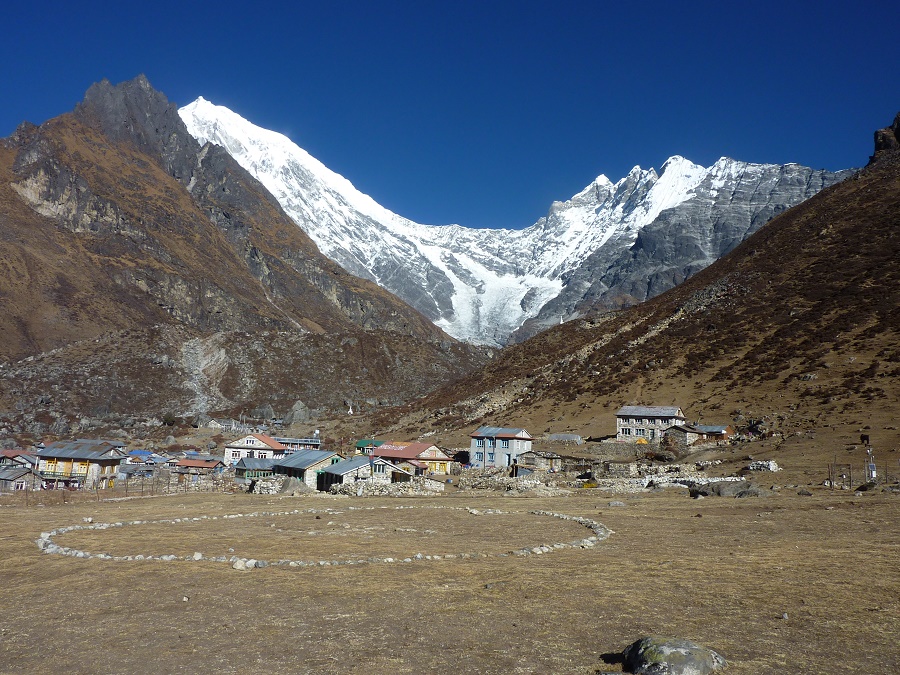
The journey begins with a scenic drive from Kathmandu to Syabrubesi, followed by a gradual ascent through bamboo groves, oak and rhododendron forests, riverside trails and traditional mountain villages. As you move deeper into Langtang National Park, the landscape opens into a spectacular Himalayan valley dominated by Langtang Lirung, Ganesh Himal and other snow-capped peaks. The trail passes Lama Hotel and Langtang Village before reaching Kyanjin Gompa, an important Buddhist settlement surrounded by dramatic mountains, glaciers and icefalls.

Kyanjin Gompa provides an opportunity to explore the upper Langtang Valley and acclimatize before entering the more demanding high-altitude section. From here, the route climbs towards Ngegang and the Naya Kanga Base Camp area before continuing towards Ganja La Pass, which stands at approximately 5,100 metres. The crossing involves steep ascents, exposed slopes and potentially snow-covered terrain, requiring careful navigation and appropriate support. Beyond the pass, the trail descends into remote valleys and alpine landscapes before reaching the Helambu region, where Sherpa villages, Buddhist monasteries and forested ridges offer a striking contrast to the rugged terrain of the high Himalayas.

Unlike a conventional Langtang Valley trek that retraces its steps to Syabrubesi, the Ganja La route continues south towards Tarke Ghyang, Sermathang and Melamchi Bazaar. This north-to-south journey brings together high mountain adventure, cultural encounters and a remarkable change in landscape within one extended trekking experience.

Special Experiences of the Trek

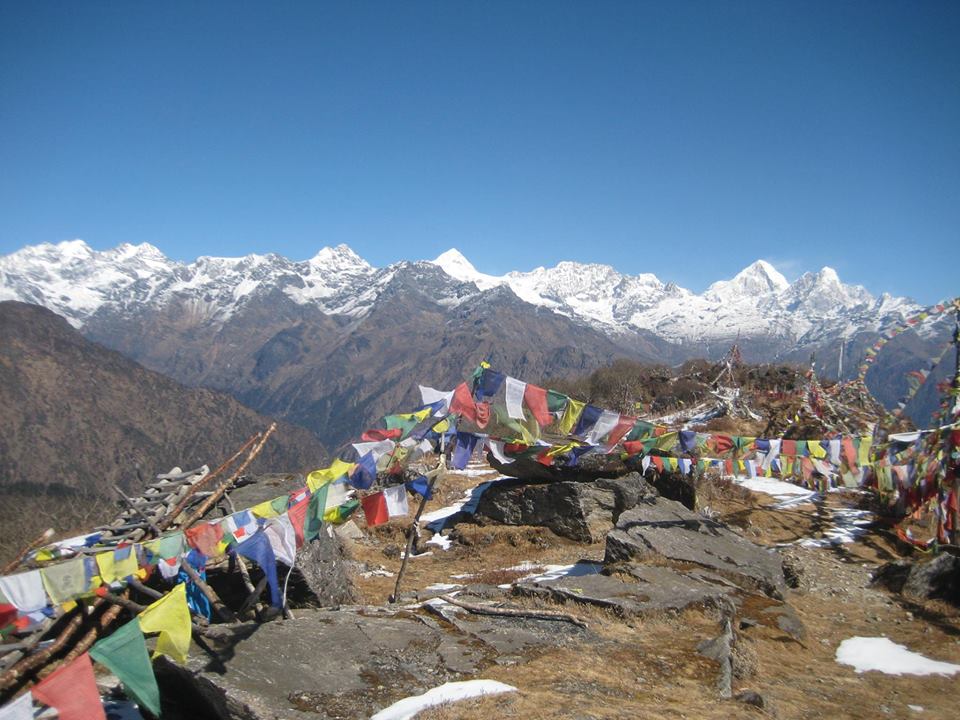
The defining experience of this trek is the crossing of Ganja La Pass, where the effort of ascending through rugged mountain terrain is rewarded with expansive views of the surrounding Himalayan peaks. On a clear day, the high pass offers an extraordinary panorama of Langtang Lirung, the mountains along the Tibetan border and neighbouring Himalayan ranges. Depending on visibility and conditions, the snowy summits and glaciated slopes create an unforgettable high-altitude setting, while prayer flags fluttering in the mountain wind add a spiritual dimension to the landscape.

Another special experience is the gradual transition from the green forests and traditional settlements of lower Langtang to the stark, open terrain above Kyanjin Gompa. The trail passes through yak-grazing pastures, rocky moraines, glacial streams and remote high-altitude camps. At Kyanjin Gompa, trekkers can visit the monastery and local cheese factory, explore the surrounding settlement and undertake acclimatization hikes towards Kyanjin Ri or Tsergo Ri, depending on the itinerary and conditions. These excursions provide excellent views of the surrounding peaks and help trekkers become accustomed to the altitude before attempting the pass.

The cultural diversity of the journey is equally rewarding. In Langtang Valley, Tamang communities preserve traditions strongly influenced by Tibetan Buddhism, reflected in their stone houses, mani walls, prayer wheels and monasteries. As the route descends towards Helambu, the villages and cultural landscape change, providing opportunities to experience Sherpa communities and their Buddhist heritage. Staying in mountain teahouses, meeting local residents and observing everyday life along the trail adds depth to the adventure beyond its physical challenges.

Perhaps the most satisfying aspect of the trek is its sense of remoteness. Beyond the established Langtang Valley settlements, the route becomes quieter, with fewer facilities and more demanding terrain. The experience is less about reaching a single destination and more about travelling through changing Himalayan environments, overcoming a challenging high pass and completing a journey that links two distinctive trekking regions.

The Trail beyond Langtang Valley Trek

The main difference lies in the route, altitude, terrain and overall level of challenge. The standard Langtang Valley Trek is primarily a valley journey, following established trails from Syabrubesi through Lama Hotel and Langtang Village to Kyanjin Gompa. Trekkers usually explore the surrounding viewpoints and glaciers before retracing their steps to Syabrubesi. It offers impressive Himalayan scenery and cultural encounters without requiring a technical high-pass crossing.

The Ganja La High Pass Trek follows the same scenic approach through Langtang Valley but continues beyond Kyanjin Gompa into more isolated mountain terrain. Instead of returning along the familiar route, trekkers ascend towards the high camps and cross Ganja La at approximately 5,100 metres before descending towards Keldang and the Helambu region. The pass may involve snow, ice, steep scree and exposed slopes, making the route considerably more demanding than the standard valley trek.

The difference is also evident in the trekking environment. The normal Langtang Valley route offers relatively established trails and a greater choice of teahouse accommodation. The Ganja La crossing involves more remote sections where facilities are limited and weather conditions can have a significant impact on progress. Camping or specially arranged support is necessary which our experienced and dedicated local team arrange and execute for you during the major pass.

Ganja La is more appropriate for experienced hikers who want a longer, more adventurous route, greater wilderness exposure and the satisfaction of crossing a high Himalayan pass. It should not be considered simply a longer version of Langtang Valley; it is a substantially more demanding expedition-style trek that includes part of gruelling walk.

Getting There: Kathmandu to Langtang and Back from Helambu

The adventure begins in Kathmandu, where you can complete the necessary preparations, meet your trekking guide and attend a pre-trek briefing. Depending on your arrival time and the itinerary, you may also explore some of Kathmandu's UNESCO World Heritage sites before heading into the mountains.

The following morning, a road journey takes you north through the hills, river valleys and rural settlements of central Nepal towards Syabrubesi, the traditional gateway to Langtang Valley. The drive generally takes around 7–9 hours, depending on road conditions, traffic and the vehicle used. Although the journey can be bumpy in places, it provides an introduction to the changing landscapes and mountain communities of the region.

From Syabrubesi, the trek ascends through Lama Hotel, Langtang Village and Kyanjin Gompa. After exploring the upper valley and allowing time for acclimatization, the route continues towards the Ganja La crossing and the remote southern side of the pass. The trail eventually descends through the Helambu region, passing Tarke Ghyang and Sermathang before reaching Melamchi Bazaar.

From Melamchi Bazaar, you return to Kathmandu by road, completing a journey that links the high mountains of Langtang with the forested ridges and traditional villages of Helambu. Unlike the standard Langtang Valley Trek, which normally finishes back at Syabrubesi, this route offers a point-to-point trekking experience with a different return journey.

Preparation for the Ganja La High Pass Trek

Proper preparation is essential for a successful Ganja La crossing. The trek involves long walking days, significant elevation changes, steep ascents and descents, and exposure to rapidly changing mountain weather. Physical conditioning should begin several weeks or, ideally, a few months before departure.

Physical fitness: Prepare with regular hiking, uphill walking, stair climbing and endurance exercises. Include longer walks with a loaded daypack to become accustomed to carrying essential equipment. Strong legs, good balance and cardiovascular endurance are particularly important for the steep approaches and descents around the pass.

Acclimatization

Ascending too quickly increases the risk of acute mountain sickness (AMS). We should allow sufficient time to adjust to the altitude, particularly around Kyanjin Gompa and the higher camps. Walk at a steady pace

Clothing and equipment

Layered clothing is essential because temperatures can change considerably between the forested valleys and the high pass. Bring thermal base layers, insulating fleece or down clothing, a waterproof and windproof outer shell, warm gloves, a hat, suitable trekking trousers and sturdy boots with good traction. Sunglasses, sun protection, a headlamp, a water bottle or hydration system, and a warm sleeping bag appropriate for the expected conditions are also important.

Weather awareness

Spring and autumn are generally the preferred trekking seasons. March to May brings gradually warming weather and rhododendron blooms at lower elevations, while September to November often offers clear mountain views. Nevertheless, snow, strong winds and sudden weather changes can make Ganja La unsafe even during the usual trekking seasons. The crossing should proceed only when conditions are suitable, following the guide's assessment.

Determination

The remoteness and demanding terrain require patience, flexibility and a willingness to adjust plans. Some days may involve basic accommodation, limited facilities and physically strenuous walking. A flexible attitude is important because safety must take priority over a fixed itinerary.

Difficulty Level: Hard

The Ganja La High Pass Trek is graded hard or challenging and is best suited to experienced trekkers with good physical fitness. The principal challenge is not simply the overall distance but the combination of high altitude, steep gradients, remote terrain and the technical demands that may arise during the pass crossing.

At approximately 5,100 metres, the pass exposes trekkers to thin air and potentially harsh weather. Snow-covered slopes, loose scree, icy patches and steep descents can make progress slow and physically demanding. Depending on the conditions, ropes and other mountaineering equipment may be required. The need for such equipment should be assessed by an experienced guide rather than assumed in advance.

Some sections beyond Kyanjin Gompa are considerably more remote than the main Langtang Valley trail. Accommodation and food options are limited, and camping arrangements or additional logistical support are mandatory. These factors make the trek less forgiving than routes with established teahouses throughout.

Previous high-altitude trekking experience is strongly recommended. Trekkers who have successfully completed demanding Himalayan routes and are comfortable walking for several hours each day will be better prepared. However, fitness alone does not eliminate altitude-related risks, and even experienced hikers must allow sufficient time for acclimatization.

Requirements and prerequisites

Successful completion of the trek requires more than physical fitness. Proper documentation, experienced support, suitable equipment and reliable travel arrangements are essential.

Permits

Trekkers need the applicable Langtang National Park entry permit

Experienced trekking guide

A knowledgeable guide familiar with the Ganja La route we appoint for the mission is strongly recommended. The guide should be able to assess weather, snow conditions, altitude-related symptoms and route safety, and make appropriate decisions during the crossing.

Travel and rescue insurance

Arrange travel insurance that explicitly covers trekking at the planned altitude and emergency helicopter evacuation where applicable. Check exclusions and coverage limits carefully before purchasing the policy.

Appropriate equipment

Carry suitable cold-weather clothing, reliable trekking boots, a warm sleeping bag and essential personal equipment. If the route conditions require technical equipment, such as a harness, helmet, crampons or rope, these should be arranged in advance with qualified guidance.

Accommodation and food arrangements

The standard Langtang Valley section has established teahouses, but facilities become limited beyond Kyanjin Gompa. So, we hire and arrange camping crew, porters, cooks and the necessary provisions for the Ganja La sections after Kyanjin.

Health and altitude readiness

Discuss relevant fitness or health concerns with a qualified healthcare professional before undertaking a high-altitude trek. Carry personal medication and a suitable first-aid kit, and know the symptoms that require immediate descent.

Flexible itinerary

Allow contingency time for bad weather, delayed progress or an unsafe pass crossing. We prioritise the group's safety rather than insist on crossing the pass on a predetermined day.

Highlights of the Trek

  • Three nights full camping accommodation and food
  • Spectacular Langtang Himalayan panorama
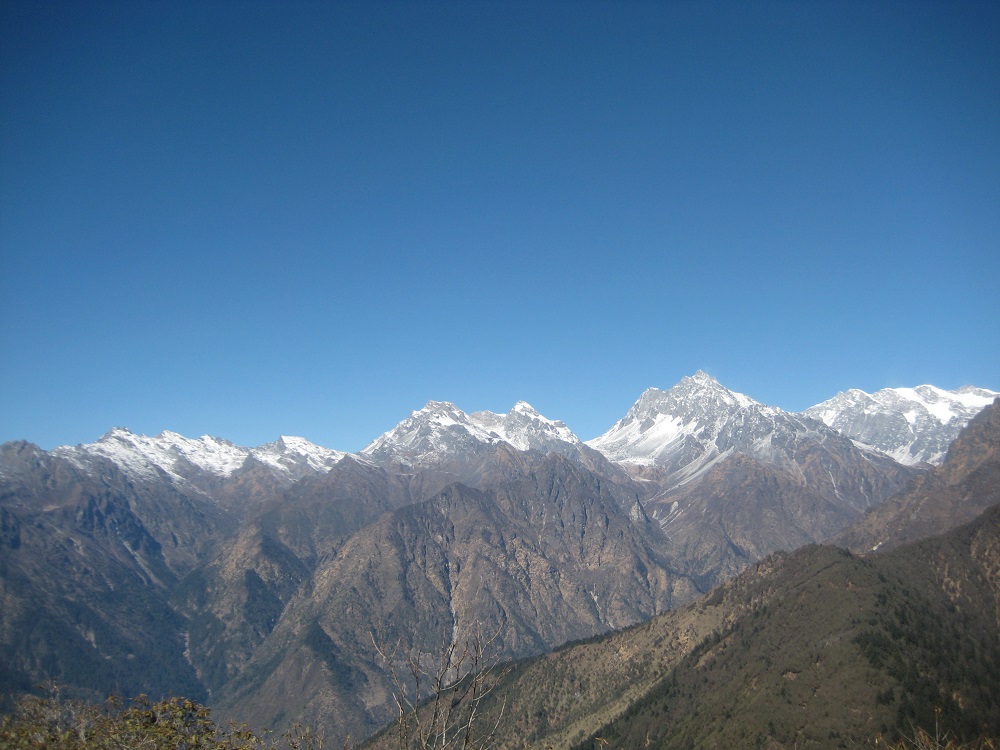
  • Enjoy impressive views of Langtang Lirung, Naya Kangri, Dorje Lakpa and surrounding snow-covered peaks.
  • The challenging Ganja La crossing
  • Cross a demanding Himalayan pass at approximately 5,100 metres, subject to suitable weather and trail conditions.
  • Kyanjin Gompa and glacial landscapes
  • Explore a traditional Buddhist settlement surrounded by dramatic glaciers, icefalls, yak pastures and high mountain viewpoints.
  • Authentic Tamang and Sherpa culture
  • Discover Buddhist monasteries, mani walls, traditional settlements and the distinctive cultural heritage of Langtang and Helambu.
  • An adventurous Langtang-to-Helambu traverse
  • Descend through remote mountain valleys and forested ridges to Tarke Ghyang, Sermathang and Melamchi Bazaar instead of retracing the usual Langtang route.
Ganja La Pass Trekking Itinerary

  1. Day 1: Arrival in Kathmandu 1,400 m

    Welcome to Nepal! Upon arrival at Tribhuvan International Airport in Kathmandu, a representative from Nepal Trek Ways Pvt. Ltd. will meet you and transfer you to your hotel. The drive introduces you to Kathmandu's lively streets, traditional neighbourhoods, colourful shops and busy traffic, offering a first glimpse of everyday life in Nepal's capital. After checking in, you can relax at the hotel or take a gentle walk around the surrounding neighbourhood if time permits. Depending on your arrival time and energy levels, you may explore nearby markets, sample local food or enjoy views of the city's surrounding hills. It is best to avoid an overly busy sightseeing schedule after a long international flight, particularly if you have not yet adjusted to the local time. Your guide or trekking coordinator will arrange a preliminary briefing to discuss the journey, equipment, transport and general preparations. You should use this opportunity to check your trekking boots, layered clothing, sleeping arrangements and personal medication. The Ganja La route includes several remote nights beyond the main Langtang Valley, so equipment checks are particularly important. Accommodation: Hotel in Kathmandu. What to expect: A comfortable arrival day with time to recover from travelling, meet the trekking team and prepare for the adventure ahead.

  2. Day 2: Kathmandu Cultural Sightseeing (approximately ) 1,400 m

    Today combines an introduction to Kathmandu's cultural heritage with final preparations for the trek. After breakfast, meet your cultural guide for a half-day sightseeing excursion to selected UNESCO World Heritage sites. Depending on the agreed programme, the visit may include ancient Hindu temples, Buddhist stupas, historic courtyards and traditional Newari architectural landmarks. Kathmandu's cultural landscape reflects centuries of religious traditions and craftsmanship. Intricately carved wooden windows, brick temples, stone sculptures, prayer flags and bustling market streets provide a striking contrast to the remote mountain villages you will encounter later. Your guide can explain the significance of Hindu and Buddhist practices, local festivals and the traditional communities that have shaped the valley. Return to the hotel around midday or in the afternoon. Your trekking leader will then review the route, explain the camping section beyond Kyanjin Gompa and discuss the challenges of crossing Ganja La Pass. In the evening, enjoy a traditional Nepali welcome dinner at a local restaurant, accompanied, where arranged, by cultural music and dance. It is a pleasant opportunity to sample Nepali cuisine before leaving the capital. Accommodation: Hotel in Kathmandu. What to expect: A relaxed cultural introduction, a final equipment check and a detailed briefing about the demanding days ahead.

  3. Day 3: Drive from Kathmandu to Syabrubesi – approximately 1,460 m – 8---9 hrs

    After breakfast, leave Kathmandu and travel north towards the Langtang region. The road passes through the outskirts of the capital before following winding hill roads, river valleys, terraced farmland and settlements along the Trishuli corridor. Small towns, roadside tea shops and local markets offer glimpses of rural life, while the landscape gradually becomes more mountainous. The journey usually passes through the Trishuli area and Dhunche, the administrative centre of Rasuwa District, before continuing towards Syabrubesi. Road conditions vary with the season, rainfall, maintenance work and traffic, so the journey may take longer than expected. Sections of the road can be rough, particularly after heavy rain or during construction. As you approach the Langtang region, the air becomes cooler and the hills steeper. Syabrubesi is a small trekking settlement beside the river, with local lodges, teahouses, shops and places to arrange basic supplies. It serves as the traditional starting point for treks into Langtang Valley. The original itinerary also describes a ridge walk through Thulo Bharkhu and nearby forest, with views towards Ganesh Himal and the mountains around Ganja La. However, this should not automatically be added to the driving day: it is a separate trekking section and needs to be reconciled with the actual vehicle drop-off and walking plan. For a standard Syabrubesi start, the priority is to arrive, settle into the lodge and prepare for the first full day on foot. Accommodation: Local teahouse or mountain lodge in Syabrubesi. What to expect: A long, scenic but potentially bumpy road journey, followed by a simple overnight stay in a trekking gateway village.

  4. Day 4: Trek from Syabrubesi to Lama Hotel (approximately ) 2,420 m – 6---7 hrs

    The trek begins with a walk through Syabrubesi before crossing suspension bridges over the Bhote Koshi and Langtang Khola river systems. The trail enters a narrow, green valley where the sound of rushing water accompanies much of the walk. This first trekking day introduces you to the combination of forest paths, stone steps, river crossings and gradual elevation gain that characterises the lower Langtang route. The path follows the Langtang Khola upstream, passing small settlements and riverside stopping places. Depending on the exact route and current trail conditions, you may encounter areas around Doman, Pairo or Bamboo, where teahouses provide opportunities for lunch, drinking water and short rests. The trail passes through subtropical forest with bamboo, ferns, oak and other vegetation, while steep hillsides rise on either side of the river. Some stretches are relatively gentle, but the day includes sustained uphill walking and uneven stone steps. After rain, the ground can be muddy and slippery, while exposed roots and loose stones require careful footing. The suspension bridges are generally straightforward to cross, but you should take your time and follow your guide's instructions. As you gain altitude, the vegetation and temperature begin to change. You may hear birds in the forest and, with luck, spot wildlife in the quieter stretches. The trail eventually climbs towards Rimche before descending slightly to the Lama Hotel area. Lama Hotel is not a conventional hotel in the city sense. It is a cluster of mountain lodges and teahouses set among trees beside the trekking route. Rooms are usually simple, often with twin beds and shared bathroom facilities. The dining room becomes the main social space in the evening, where trekkers gather around warm meals, hot drinks and the stove when one is available. Accommodation: Teahouse or mountain lodge at Lama Hotel. What to expect: A forested riverside trail, several suspension bridges, a steady climb and a basic but welcoming overnight stop.

  5. Day 5: Trek from Lama Hotel to Langtang Village 3,430 m – 5---6 hrs

    Leaving Lama Hotel, continue uphill through a forest of oak, maple, hemlock and rhododendron. The trail initially follows the river before climbing more steadily through wooded slopes. As the trees open in places, you may catch your first extended views of Langtang Lirung, one of the region's dominant peaks. The route passes small stopping points around Gumanchok and continues towards Ghora Tabela, where there is a national park checkpoint and a cluster of buildings serving trekkers. This is a useful place to pause, refill water and have a snack. The valley gradually widens beyond this point, and the dense forest gives way to more open mountain scenery. After Ghora Tabela, the trail continues through alpine scrub, open meadows and scattered settlements. You may encounter grazing animals, stone walls, mani stones and prayer wheels along the path. At Thangshyap and nearby stopping points, small teahouses may offer lunch, although availability and opening arrangements can vary. Langtang Village lies in a broad valley surrounded by high mountains. The settlement has been rebuilt and developed following the devastating 2015 earthquake, and the village landscape reflects both the resilience of local communities and the region's continuing dependence on trekking. Traditional stone buildings, cultivated plots and guesthouses create a distinctive atmosphere. The village is an important cultural stop in the trek. Tamang heritage, Tibetan Buddhist traditions and mountain farming practices are visible in local architecture, religious monuments and everyday life. Fields may contain potatoes, barley, buckwheat and other crops suited to the short growing season. At this altitude, you may notice that walking uphill requires more effort than on the previous day. Maintain a steady pace, drink regularly and avoid rushing to reach the village. Accommodation: Teahouse or mountain lodge in Langtang Village. What to expect: A sustained forest ascent followed by an increasingly open valley, striking mountain views and a traditional highland settlement.

  6. Day 6: Trek from Langtang Village to Kyanjin Gompa – approximately 3,870 m – 3---4 hrs

    Today's walk is shorter, allowing you to reach Kyanjin Gompa with time to rest and explore. Leave Langtang Village and follow the trail past stone houses, mani walls, prayer wheels and smaller settlements such as Mundu and Sindum. The landscape gradually becomes more open as the route moves into the upper valley. The trail crosses yak-grazing pastures and rocky ground, with sections of stone steps and uneven paths. As you approach the upper valley, the vegetation becomes sparse and the scenery increasingly dominated by boulders, moraine ridges and snow-covered mountains. Crossing the Langtang Khola and moving over the rocky terrain reveals dramatic views towards the glaciers and icefalls beneath Langtang Lirung and neighbouring peaks. Kyanjin Gompa sits in an open mountain basin surrounded by an impressive ring of Himalayan summits. It is one of the most memorable places on the Langtang route because the settlement feels remote while still providing a network of established teahouses and lodges. Accommodation is generally in simple trekking lodges with private or shared rooms depending on the property. Dining rooms serve familiar trekking meals such as dal bhat, noodles, soups, rice dishes, potatoes, eggs and hot drinks. Facilities vary between lodges, and hot showers, charging and internet access may cost extra or be limited. After checking in, take time to rest, drink water and explore the settlement without overexerting yourself. If you feel well and have sufficient time, a short walk around the village or towards nearby viewpoints can be rewarding. Save the more strenuous ascent for the acclimatisation day. Accommodation: Teahouse or lodge in Kyanjin Gompa. What to expect: A shorter but increasingly high-altitude walk through open alpine scenery, followed by a memorable mountain village stay.

  7. Day 7: Acclimatisation and Exploration at Kyanjin Gompa 6---7 hrs

    This is an important day for acclimatisation and exploration before leaving the established Langtang Valley trail for the remote Ganja La route. Spending an additional night at Kyanjin Gompa gives your body more time to adjust to the altitude and allows you to explore the surrounding mountain landscape. The day may begin with a visit to Kyanjin Gompa monastery and the local cheese factory, depending on opening arrangements. You can also walk towards the nearby glacial moraine to observe the dramatic icefalls and rugged terrain below Langtang Lirung. These shorter excursions provide an opportunity to appreciate the environment without immediately committing to a strenuous climb. For trekkers who are well acclimatised and feeling strong, the principal excursion may be an ascent of Tserko Ri or Kyanjin Ri. These are separate viewpoints. Kyanjin Ri is the shorter option, while Tserko Ri generally involves a longer and more demanding climb. The trails above Kyanjin Gompa can be steep and rocky, with loose stones and little shelter from wind or sun. The higher you climb, the thinner the air becomes, and the pace should remain slow and controlled. From the viewpoints, clear conditions may reveal Langtang Lirung, Langshisha Ri, Gangchenpo, Dorje Lakpa and other peaks, together with glaciers and the wide upper valley. Return to the lodge for a warm meal and rest. your guide prepares camping equipment and check that the group is prepared for the next section Accommodation: Teahouse or lodge in Kyanjin Gompa. What to expect: A strenuous optional viewpoint hike, impressive glacier scenery and a valuable opportunity to acclimatise and prepare for the remote section.

  8. Day 8: Trek from Kyanjin Gompa to Ngegang / Naya Kanga Base Camp Area (approximately 4,000– ) 4,600 m – 4---6 hrs

    Today marks the transition from the established teahouse trail into the remote section of the Ganja La trek. Leaving Kyanjin Gompa, the trail crosses the Langtang Khola and climbs towards the southern side of the valley. The paths around the village gradually give way to more rugged ground. The ascent may pass through patches of rhododendron and juniper before reaching more open alpine terrain. As you gain height, trees become scarce and the landscape changes to grassland, rocky slopes and scattered boulders. Ngegang is associated with seasonal grazing areas where herders traditionally bring yaks, sheep and goats during the warmer months. Simple shelters may be visible, but these are not equivalent to staffed trekking lodges and should not be relied upon for accommodation. There are no dependable teahouse facilities along this remote section. We must arrange the campsite, tents, sleeping equipment, food and cooking facilities. Water sources can be limited, we plan carefully for drinking water and safe treatment. Even in spring or autumn, temperatures can fall sharply after sunset. We use the afternoon for rest, hydration and preparation for the crossing. Accommodation: Organised tented camp; no dependable teahouse accommodation. What to expect: A steady uphill walk into alpine terrain, increasingly sparse vegetation, fewer signs of settlement and a significant change from lodge-based trekking to expedition-style camping.

  9. Day 9: Cross Ganja La Pass (approximately 5,106– ) and Descend to Keldang (approximately ) 5,130 m – 7---9 hrs

    Today is the most demanding day of the Ganja La Pass trek. It combines an early start, a long high-altitude ascent, the crossing of an exposed mountain pass and a steep descent into the remote Yangri valley Begin early after a warm drink and breakfast at camp. The trail climbs over rocky ground, moraine and increasingly exposed slopes towards the pass. As you gain altitude, vegetation becomes minimal, and the surrounding landscape is dominated by snowfields, boulders and rugged mountain ridges. The air is thin at this elevation, so a slow, steady pace is essential. Take short breaks as needed, but avoid long stops in exposed areas where wind chill can become severe. The final ascent can be particularly challenging. Depending on the season and recent snowfall, the route includes steep snow or ice, loose rock and exposed sections that require careful movement. Here, your experienced guide will work on ropes, a harness, crampons or other technical equipments for steady and safe ascend. At the top, prayer flags mark the high pass, and the views can be extraordinary. In clear weather, the northern panorama may include Langtang Lirung and peaks along the Tibetan border, including Shishapangma in the distance. The mountains to the south and west create an impressive backdrop to the wilderness crossing. Weather can change quickly, however, and cloud, wind or snowfall may limit visibility. The descent on the southern side is often the most technically demanding part of the day. Loose scree, snow-covered slopes and steep gullies require careful foot placement and close attention to the guide's instructions. After leaving the steepest terrain, the trail continues into the isolated Yangri valley. The surroundings become more open, with alpine grassland and rugged slopes beneath glaciated peaks. Continue towards Keldang, where the crew will establish camp in a suitable location. Do not expect a conventional teahouse: the accommodation is a tented camp, and the facilities are basic. Accommodation: Tented camp near Keldang, approximately 4,270 m; the exact altitude depends on the selected campsite. What to expect: A long, strenuous crossing with possible snow and ice, spectacular mountain views in good weather, a demanding descent and a remote camping night. This is a day for experienced trekkers, not for rushing or taking unnecessary risks.

  10. Day 10: Trek from Keldang to Dukpu (approximately 4,000– ) 4,100 m – 5---7 hrs

    After the demanding pass crossing, today's trek continues through the remote terrain south of Ganja La. Although you will be descending overall, this should not be considered an easy recovery day. The route crosses exposed ridges and open alpine slopes, with repeated ascents and descents that can be tiring after the previous day's exertion. Leave Keldang after breakfast and follow the trail through grassland, rocky slopes and high-altitude grazing areas. The landscape is notably different from the forested Langtang Valley. There are few permanent settlements, and much of the route feels isolated, with wide views across the surrounding mountain ridges. The trail may be faint in places, and navigation becomes more challenging in poor visibility. Water availability along these ridges can be limited, so we must fill our bottles whenever and wherever the streams are available. As the route continues, the terrain gradually changes. Alpine meadows, scattered shrubs and patches of woodland begin to appear in more sheltered areas. Dukpu is associated with a remote grazing area with no local teahouse, so the overnight arrangement is in camping-based. Your crew will set up tents, prepare meals and organise the campsite. After several days above 4,000 m, enjoy a warm meal and a quieter evening, but temperatures can still fall well below freezing at night. Keep essential clothing, water and sleeping equipment protected from moisture and cold. Accommodation: Organised tented camp near Dukpu. What to expect: An isolated ridge walk with rolling terrain, limited facilities, potential navigation challenges and another night under canvas. The scenery is rewarding, but the remoteness means that the trekking team must remain self-sufficient.

  11. Day 11: Trek from Dukpu to Tarke Ghyang via the Helambu Ridge (approximately 2,560– ) 2,740 m – 6---8 hrs

    Today brings a major change in scenery as the route leaves the high, open grazing country and descends towards the villages of Helambu. The day may begin with an undulating trail along an exposed ridge, followed by a climb to a high shoulder or pass at approximately 4,000 m. The high point offers wide views across the surrounding Himalayan ranges in clear weather. From here, the trail descends through increasingly wooded terrain, passing small herder settlements and patches of pine and rhododendron forest. The descent can be hard on the knees, particularly where the path is steep, rocky or covered with loose stones. As you lose altitude, the vegetation becomes denser and the air warmer. Forest paths, streams, stone steps and occasional clearings replace the exposed alpine slopes. The trail passes Gekye Gompa or nearby religious sites before reaching Tarke Ghyang. Tarke Ghyang is a traditional Helambu settlement with a strong Buddhist heritage. The village is known for its monastery, traditional architecture and the culture of the Hyolmo people, whose heritage is distinct from, although related to, the broader Tibetan Buddhist traditions of the Himalayas. The village provides a welcome return to established accommodation after several nights of remote camping. Local lodge or teahouse, usually with simple rooms, beds and shared facilities are available here. After the demanding days above the pass, the opportunity to sleep indoors and take a warm meal will be heartening. Accommodation: Teahouse or local mountain lodge in Tarke Ghyang. What to expect: A long descent from isolated high ridges into forested Helambu, followed by a culturally rewarding village stay and a return to lodge accommodation.

  12. Day 12: Drive from Tarke Ghyang to Kathmandu 5-6 hrs

    After breakfast, leave Tarke Ghyang and return to Kathmandu by road. The journey passes steep downhill drive to the river valley of Melamchi Bazaar. The bus negotiate terraced hillsides and scattered settlements before joining the busier roads leading into the Kathmandu Valley. On arrival in Kathmandu, check in to your hotel and enjoy the comforts of a city stay. After several nights of camping and trekking, you can take a warm shower, organise your equipment and relax over a meal. The afternoon may be left free for rest, shopping or an optional visit to a nearby cultural site. This return to Kathmandu also marks the end of the main trekking section. Accommodation: Hotel in Kathmandu. What to expect: A return journey from the hills to the capital, followed by time to recover and enjoy more comfortable facilities.

  13. Day 13: Departure from Kathmandu

    Your final day in Nepal has arrived. Depending on your international flight schedule, enjoy breakfast at the hotel before a representative from Nepal Trek Ways Pvt. Ltd. transfers you to Tribhuvan International Airport. Allow sufficient time for the drive and airport formalities, particularly during busy traffic periods. If your flight is later in the day, you may have some free time to relax at the hotel or enjoy a final meal in Kathmandu. The Ganja La Pass trek is a demanding journey that combines the established trails of Langtang Valley with remote high-altitude terrain and the cultural landscapes of Helambu. We hope that the experience has provided lasting memories of Nepal's mountains, communities and hospitality. Nepal Trek Ways Pvt. Ltd. looks forward to welcoming you back for another Himalayan adventure or helping you plan a future journey through Nepal, Bhutan or Tibet What to expect: Airport transfer and departure from Nepal with memories of a challenging and rewarding Himalayan journey.

Cost Includes / Excludes

Includes 22

  • Complementary International airport pick up drop facilities by private vehicle
  • Half Day Guided Cultural Sightseeing with private transportation and all heritage site entry permission
  • Comprehensive Trekking Map
  • Authentic Nepali Welcome Dinner
  • 7 Days accommodation in Mountain Teahouse
  • 3 nights Hotel Accomodation in Kathmandu 3 star or equivalent hotel in BB plan
  • Experienced English speaking Sherpa Guide for Trekking
  • Field staff Insurance
  • Dawn Jackets, Sleeping bag, walking poles, duffel bag, facilitiies on Loan for Trek.
  • Extensive First aid medical kit
  • Quick Rescue supporting services in case of Emergency
  • Extra snacks services
  • Drive from Tarke Ghyang to Kathmandu by Local Bus.
  • Applicable government Taxes
  • All the managerial and administrative expenses for trekking
  • Drive from Kathmandu to Syafrubesi. The trekking start point by private jeep.
  • Hot water bag to make your bed warm in tea house accommodation
  • 3 nights full Camping accommodation and food
  • 2 breakfast, 2 lunch, and 2 dinner in 3 Nights Camping with a cup of tea/coffee with meal
  • Full board 3 meals in Mountain Teahouse during 7 Day Teahouse trekking 7 breakfast, 7 Lunch, 7 dinner
  • Camping Crew Cook and Porters
  • All the Camping equipments and Kitchen appliances

Excludes 7

  • All the personal expenses like Alcoholic beverages, Bottled drinks etc.
  • Medical and Travel Insurances
  • International Airfare and taxes
  • Visa Fees
  • Gratuities/Tips
  • Main Meals in Kathmandu
  • Single Supplementary applies

Route Map

Featured Treks

Nepal Tourism Board Nepal Government TAAN NATTA Inspirock
Need Help?